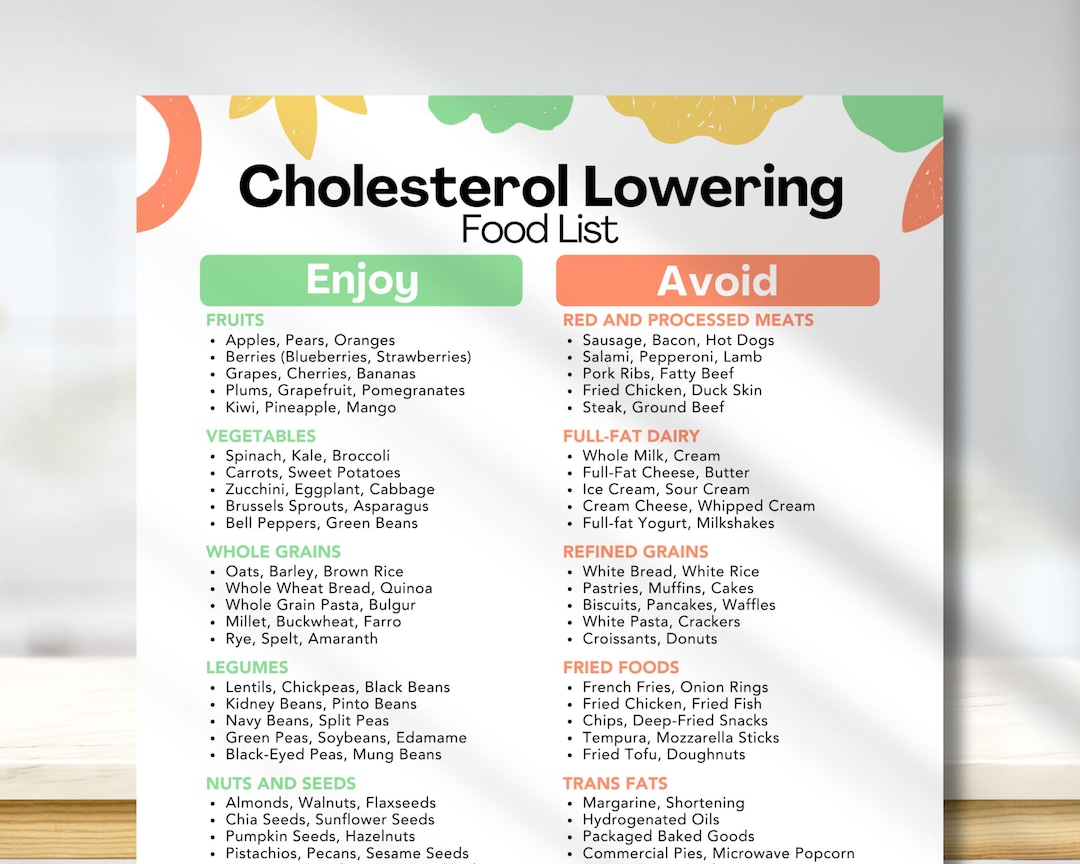
Are you looking to take control of your heart health through the power of food? High cholesterol can feel like a daunting challenge, but the good news is that what you eat can make a significant difference. Let's explore a delicious and effective path to lower cholesterol naturally.
Many people struggle with navigating the world of dietary advice, feeling overwhelmed by conflicting information and restrictive diets. Knowing where to start, understanding what truly works, and finding foods that fit into a busy lifestyle can be frustrating.
This guide aims to provide you with a clear and practical list of cholesterol-lowering foods, empowering you to make informed choices and incorporate these heart-healthy options into your daily meals.
This article explores a variety of foods that can help lower cholesterol, including oats, nuts, fatty fish, avocados, and more. We'll delve into the science behind these foods and offer practical tips on how to incorporate them into your diet. Get ready to discover how delicious and accessible heart-healthy eating can be. We will touch on cholesterol lowering foods, heart health, dietary changes, healthy eating, and lowering cholesterol naturally.
Oats: Your Breakfast Ally
Oats are a fantastic choice for lowering cholesterol, primarily due to their high soluble fiber content. This type of fiber binds with cholesterol in the digestive system, preventing it from being absorbed into the bloodstream. My own experience with oats started when my doctor recommended I increase my fiber intake to manage my cholesterol levels. Initially, I wasn't thrilled, envisioning bland, tasteless porridge. However, I quickly discovered the versatility of oats! I started experimenting with overnight oats, adding berries, nuts, and a touch of honey for sweetness. I even started using oat flour in my baking. The results were noticeable – my cholesterol levels improved, and I felt fuller for longer, which helped with overall weight management. Beyond breakfast, oats can be incorporated into smoothies, used as a binder in veggie burgers, or even added to baked goods for extra fiber. Aim for at least 3 grams of soluble fiber per day from oats, which can be achieved by eating a bowl of oatmeal or incorporating oat bran into your meals. Other sources of soluble fiber include barley, apples, pears, and kidney beans. Remember, consistency is key; making oats a regular part of your diet can significantly contribute to long-term cholesterol reduction. Soluble fiber, cholesterol reduction, healthy breakfast, dietary fiber, heart health are the keywords here.
Fatty Fish: Embrace the Omega-3s
Fatty fish, such as salmon, tuna, and mackerel, are rich in omega-3 fatty acids. These healthy fats can lower triglyceride levels, another type of fat in the blood that contributes to heart disease. Furthermore, omega-3s can help raise HDL (good) cholesterol and reduce inflammation. The effectiveness of fatty fish in lowering cholesterol stems from the specific types of omega-3s they contain: EPA (eicosapentaenoic acid) and DHA (docosahexaenoic acid). These fatty acids have been shown to have a direct impact on lipid metabolism, helping to regulate cholesterol levels. When you consume fatty fish, your body uses these omega-3s to build healthy cell membranes and reduce the production of inflammatory substances. Aim for at least two servings of fatty fish per week. If you're not a fan of fish, consider taking a high-quality fish oil supplement to ensure you're getting enough omega-3s. However, remember that supplements should complement a healthy diet, not replace it. Think of it as adding an extra boost to your efforts to lower cholesterol naturally. Omega-3 fatty acids, triglyceride levels, HDL cholesterol, heart health, fish oil supplements are the keywords here.
Nuts: A Heart-Healthy Snack
Nuts, especially almonds, walnuts, and pecans, are packed with healthy fats, fiber, and plant sterols, all of which contribute to lower cholesterol levels. The monounsaturated fats in nuts can help lower LDL (bad) cholesterol, while the fiber helps to bind with cholesterol in the digestive system, preventing its absorption. Plant sterols are compounds that are structurally similar to cholesterol and can block the absorption of cholesterol from the diet. One of the biggest myths surrounding nuts is that they are high in fat and therefore should be avoided. While it's true that nuts are calorie-dense, the type of fat they contain is beneficial for heart health. The key is to consume nuts in moderation, as they can contribute to weight gain if eaten in excess. A handful of nuts (about 1.5 ounces) per day is a good target. Choose raw or dry-roasted nuts over salted or sugar-coated varieties to avoid adding extra sodium or sugar to your diet. Nuts can be enjoyed as a snack, added to salads, or used as a topping for yogurt or oatmeal. They are a versatile and delicious way to boost your heart health. Monounsaturated fats, LDL cholesterol, plant sterols, healthy fats, nuts and heart health are the keywords here.
Avocados: Creamy and Cholesterol-Friendly
Avocados are a rich source of monounsaturated fats, which can help lower LDL cholesterol and raise HDL cholesterol. They are also packed with fiber, which contributes to overall heart health. The story of avocados and cholesterol dates back to early studies showing that populations with diets high in avocados had lower rates of heart disease. Researchers began to investigate the specific compounds in avocados that contributed to these benefits. Avocados stand out from other fruits due to their high fat content, but it's the type of fat that makes them so beneficial. Unlike saturated fats, which can raise cholesterol levels, the monounsaturated fats in avocados can actually help lower LDL cholesterol. They are also a good source of potassium, which helps regulate blood pressure. To incorporate avocados into your diet, try adding them to salads, sandwiches, or smoothies. You can also use them to make guacamole or spread them on toast instead of butter. Remember, avocados are calorie-dense, so consume them in moderation as part of a balanced diet. Monounsaturated fats, HDL cholesterol, potassium, guacamole, avocados and heart health are the keywords here.
Olive Oil: The Mediterranean Secret
Extra Virgin Olive Oil
Extra virgin olive oil (EVOO) is a staple of the Mediterranean diet and is known for its numerous health benefits, including its ability to lower cholesterol. The monounsaturated fats in olive oil can help lower LDL cholesterol, while its antioxidants can protect against heart disease. The hidden secret behind olive oil's cholesterol-lowering abilities lies in its polyphenol content. Polyphenols are powerful antioxidants that have been shown to reduce inflammation and protect against oxidative stress, both of which contribute to heart disease. Not all olive oils are created equal. Extra virgin olive oil is the least processed type of olive oil and retains the most polyphenols. When choosing olive oil, look for a dark-colored bottle to protect the oil from light, which can degrade its quality. Use olive oil in place of other less healthy fats, such as butter or vegetable oil, when cooking. Drizzle it over salads, vegetables, or pasta. You can also use it as a marinade for meats and fish. Remember, olive oil is still a fat, so use it in moderation. The combination of monounsaturated fats and polyphenols makes olive oil a powerful tool for lowering cholesterol and promoting heart health. Polyphenols, antioxidants, inflammation, Mediterranean diet, cooking oils are the keywords here.
Legumes: A Plant-Based Powerhouse
Legumes, such as beans, lentils, and chickpeas, are excellent sources of soluble fiber, which helps lower cholesterol. They are also a good source of protein and plant-based iron, making them a valuable addition to any heart-healthy diet. I often recommend legumes to my clients looking to lower their cholesterol naturally. They are incredibly versatile and can be incorporated into a wide variety of dishes. Think about adding lentils to soups, beans to chili, or chickpeas to salads. You can also use legumes to make dips, spreads, or even veggie burgers. One of the biggest benefits of legumes is their affordability. They are a relatively inexpensive source of protein and fiber, making them accessible to people on a budget. When using canned legumes, be sure to rinse them thoroughly to remove excess sodium. If you're new to eating legumes, start slowly to avoid digestive discomfort. Gradually increase your intake over time as your body adjusts. The soluble fiber in legumes binds with cholesterol in the digestive system, preventing it from being absorbed into the bloodstream. This can lead to a significant reduction in LDL cholesterol levels. Soluble fiber, protein, plant-based iron, affordable food, heart-healthy diet are the keywords here.
Sterols and Stanols: The Cholesterol Blockers
Fortified Foods
Foods fortified with sterols and stanols, such as certain brands of orange juice, yogurt, and margarine, can help block the absorption of cholesterol in the digestive system. Sterols and stanols are naturally occurring compounds found in plants that are structurally similar to cholesterol. When consumed, they compete with cholesterol for absorption, reducing the amount of cholesterol that enters the bloodstream. These compounds have been extensively studied and proven to be effective in lowering cholesterol. However, it's important to remember that they are most effective when consumed as part of a healthy diet. Simply adding fortified foods to an unhealthy diet is unlikely to produce significant results. Look for products that contain at least 0.5 grams of sterols or stanols per serving. Consume these foods with meals to maximize their effectiveness. While sterols and stanols are generally safe, some people may experience minor digestive issues, such as gas or bloating. If you have any concerns, talk to your doctor before adding fortified foods to your diet. The effectiveness of sterols and stanols in lowering cholesterol is well-documented. They are a valuable tool for people looking to manage their cholesterol levels naturally. Plant sterols, cholesterol absorption, fortified foods, healthy diet, cholesterol management are the keywords here.
Soy Foods: A Versatile Choice
Soy foods, such as tofu, edamame, and soy milk, contain isoflavones, which have been shown to have a modest cholesterol-lowering effect. They are also a good source of protein and can be a healthy alternative to meat. Here are some tips to incorporate soy foods into your diet. Try using tofu in stir-fries or as a meat substitute in tacos. Edamame makes a great snack or side dish. Soy milk can be used in place of cow's milk in smoothies, cereal, or coffee. One of the biggest concerns people have about soy foods is their potential impact on hormone levels. However, research has shown that soy consumption is generally safe for most people, including women with a history of breast cancer. The isoflavones in soy are weak estrogens and may even have some protective effects against certain types of cancer. Choose whole soy foods over highly processed soy products to maximize their health benefits. Avoid foods with added sugar, salt, or unhealthy fats. Soy foods are a versatile and nutritious addition to a heart-healthy diet. Incorporating them into your meals can help lower your cholesterol and improve your overall health. Isoflavones, protein, tofu, edamame, soy milk are the keywords here.
Dark Chocolate: A Treat for Your Heart?
While not a primary cholesterol-lowering food, dark chocolate (in moderation) can offer some benefits due to its antioxidant content. The flavanols in dark chocolate can help improve blood vessel function and lower blood pressure. It’s important to choose dark chocolate with a high cocoa content (70% or higher) and limit your intake to a small amount each day. The fun fact about dark chocolate is that it was once used as currency by the Aztecs. They believed that cacao beans were a gift from the gods and reserved them for the elite. Today, we know that dark chocolate offers more than just a rich flavor. The flavanols in dark chocolate have been shown to improve blood vessel function and lower blood pressure. However, it's important to choose the right type of dark chocolate. Look for varieties with a high cocoa content (70% or higher) and minimal added sugar. Be mindful of portion sizes, as dark chocolate is still calorie-dense. A small square or two per day is sufficient to reap its health benefits. Enjoy dark chocolate as a treat after a meal or as a part of a healthy snack. Remember, it's not a substitute for other cholesterol-lowering foods, but it can be a delicious addition to a heart-healthy diet. Flavanols, antioxidants, blood vessel function, blood pressure, cocoa content are the keywords here.
Putting it All Together: Building Your Cholesterol-Lowering Plate
Now that you have a list of cholesterol-lowering foods, how do you put it all together? Start by making small, gradual changes to your diet. Replace unhealthy fats with healthy fats, such as olive oil and avocado. Incorporate more fiber-rich foods, such as oats, legumes, and fruits. Add fatty fish to your diet at least twice a week. Here's how to lower cholesterol with diet: Plan your meals in advance to ensure you're including cholesterol-lowering foods in each meal. Read food labels carefully to check for saturated and trans fats. Cook at home more often to have greater control over your ingredients. Experiment with new recipes that incorporate cholesterol-lowering foods. Don't be afraid to try new things and find what you enjoy. Remember, making dietary changes is a journey, not a destination. Be patient with yourself and celebrate small victories along the way. It's about creating sustainable habits that you can maintain over the long term. Focus on adding healthy foods to your diet rather than just restricting unhealthy ones. This approach can make it easier to stick to your goals and enjoy the process. Meal planning, reading labels, cooking at home, sustainable habits, dietary changes are the keywords here.
What If...? Addressing Common Concerns
What if I don't like some of these foods? The good news is that there are many different cholesterol-lowering foods to choose from, so you can find options that you enjoy. What if I have other dietary restrictions? Consult with a registered dietitian or healthcare provider to create a personalized meal plan that meets your specific needs. What if I'm not seeing results? It's important to be patient and consistent with your dietary changes. It may take several weeks or months to see a significant improvement in your cholesterol levels. If you're still concerned, talk to your doctor. Here are some other considerations: Consider genetics: family history plays a role. Stress management is important: stress can affect cholesterol levels. Regular exercise also helps to lower cholesterol. If lifestyle changes aren't enough, medication might be necessary. Remember that the ideal approach is to address cholesterol through multiple avenues including diet, exercise, and stress management in order to improve your cholesterol. Dietary restrictions, personalized meal plan, consistent dietary changes, genetics, regular exercise are the keywords here.
Top 10 Cholesterol-Lowering Foods: A Quick Listicle
Here's a quick list of 10 foods to add to your diet: 1. Oats: Start your day with a heart-healthy bowl of oatmeal.
2. Fatty Fish: Enjoy salmon, tuna, or mackerel twice a week.
3. Nuts: Snack on a handful of almonds, walnuts, or pecans.
4. Avocados: Add avocado to salads, sandwiches, or smoothies.
5. Olive Oil: Use extra virgin olive oil in place of other less healthy fats.
6. Legumes: Incorporate beans, lentils, and chickpeas into your meals.
7. Sterols and Stanols: Choose fortified foods, such as orange juice or yogurt.
8. Soy Foods: Try tofu, edamame, or soy milk.
9. Dark Chocolate: Indulge in a small square of dark chocolate (70% cocoa or higher).
10. Garlic: A flavorful addition that may help lower cholesterol. This listicle gives you a quick go-to guide for your next grocery shopping trip. Remember that maintaining a healthy diet filled with varied foods can improve your cholesterol. Additionally, remember that exercise can help to lower cholesterol as well. Quick guide, grocery shopping, healthy diet, exercise are the keywords here.
Question and Answer: Your Cholesterol Concerns Addressed
Q: How much can diet really lower my cholesterol?
A: Diet can significantly lower cholesterol, often by 10-20%, especially when combined with other lifestyle changes like exercise.
Q: Are there any foods I should completely avoid?
A: Limit saturated and trans fats found in processed foods, fried foods, and fatty meats.
Q: Can I eat eggs if I'm trying to lower my cholesterol?
A: Most people can enjoy eggs in moderation (up to one egg per day) as part of a heart-healthy diet.
Q: How long does it take to see results from dietary changes?
A: You may start to see changes in your cholesterol levels within a few weeks, but it can take several months to achieve significant improvements.
Conclusion of cholesterol lowering foods list
Lowering your cholesterol through diet is a achievable goal. By incorporating the foods listed above into your daily meals, you can take control of your heart health and enjoy a delicious and fulfilling way of eating. Remember to consult with your healthcare provider for personalized advice and to ensure that these dietary changes are appropriate for your individual needs.